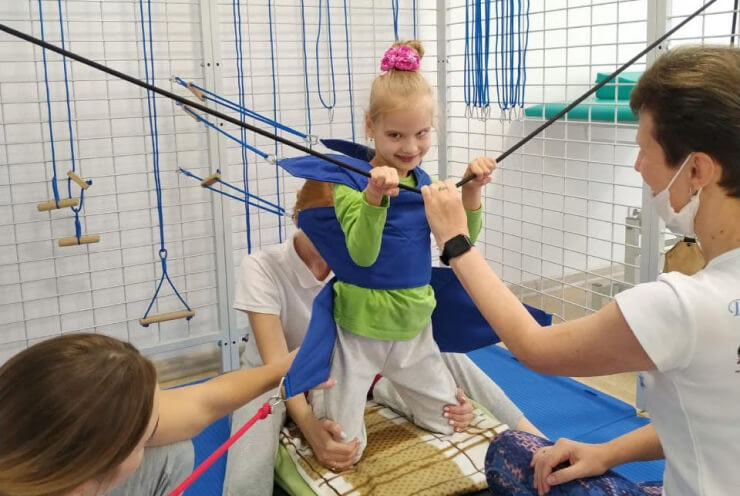
This day does not exist for congratulations and gift-giving! Its main purpose is to draw society’s attention to the problems of people with cerebral palsy. To enlighten him, because in most cases, it is ignorance of the cause of the disease that becomes the cause of rejection and even aggression.
Every year the first Wednesday of October is dedicated to people who have this disease.
We are all different. We move differently, we communicate differently. We see the world from different perspectives. Our appearances are unique and unrepeatable. But there is one thing we have in common, a desire to receive and give love. The desire to live life to the fullest and be part of society. The desire to dream.
World Cerebral Palsy Day is a movement of people with cerebral palsy and their families, and organizations that support them.
According to World Cerebral Palsy Day organizers, more than 170,000 people in the world suffer from this disease.
Cerebral palsy is recognized as the most common cause of childhood disability.
People suffering from cerebral palsy and their relatives face many problems: insufficient state support, lack of a unified comprehensive approach to rehabilitation, but also, among other things, aggression, misunderstanding and discrimination from others become a great burden. The main reason for this behavior is low public awareness of the disease. The International Day of Cerebral Palsy was organized to change this sad fact, to form a different attitude of the society towards people suffering from the disease.
Cerebral palsy (cerebral palsy) is a term for a group of diseases in children with central nervous system disorders, in which motor activity is affected, muscle tone and movement coordination is impaired. The term “cerebral” means that it is related to the work of the brain. Absence or reduction of motor activity of the muscles denotes the word “paralysis”.
Cerebral palsy in children is caused by damage to certain areas of the brain. This can occur during pregnancy, childbirth, and in the postpartum period. Cerebral palsy occurs in 2 out of every 1,000 children in the first year of life, but is 10 times more common in premature babies, especially when there is significant prematurity.
Signs of lesions of the nervous system in children are visible immediately after birth, and features of cerebral palsy formation may appear during the first year of life. Children with lesions of the nervous system later begin to turn, sit, crawl, and walk. A large proportion of patients have speech and hearing impairments, delayed intellectual development, and have seizures. There are also difficulties with conscious movement and muscle coordination, so even simple movements are difficult to perform.
There is no one-size-fits-all treatment for cerebral palsy. The earlier comprehensive rehabilitation treatment, rehabilitation, and social adaptation is started, the more successful this process will be. The child’s brain is actively growing and developing, so healthy departments can take over some of the lost functions. Parents, along with teachers and doctors, need to do their best to rehabilitate the child. Although the disease is not curable, constant therapy, treatment and rehabilitation lead to improvement in the child’s condition and help children to be independent and active.
Children with cerebral palsy need constant corrective and pedagogical work. This is exactly the kind of help they can receive at the “St. John’s Center”. The main areas of work are the development of motor skills, speech and correction of the child’s psychological development. Corrective work must be done in a differentiated way, taking into account the form of the disease and the age of the child.
Cerebral palsy is not a sentence.
The St. John’s Center joins the World Cerebral Palsy Day community and supports all patients with cerebral palsy! As a sign of care for Cerebral Palsy patients, all children with cerebral palsy who are currently undergoing rehabilitation at the St. John’s Center will receive a taping from our occupational therapist, Sophia Kalustova.
Each of you can join us and support special children. A reminder about our inclusive town project.
Join us! Together we can do more!