At the IOANNIV CENTER medical center, we have combined key rehabilitation areas into a unified care system for children, adults, veterans, and families.
Each area includes a medical assessment, rehabilitation interventions, psychological support, development of independence skills, and family support.
Consultation Block
The Consultation Block of the IOANNIV CENTER is the first and one of the most critical stages of the patient’s pathway, marking the beginning of high-quality medical, rehabilitative, and restorative care.
It is at this stage that a team of specialists assesses:
- the patient’s general health status
- functional impairments
- the level of motor, speech, cognitive, or sensory difficulties
- co-existing medical conditions
- rehabilitation potential
- the need for a state-funded or paid pathway
- the optimal composition of the multidisciplinary team
Based on the consultation results, we design an individual care pathway, which may include medical supervision, rehabilitation interventions, psychological support, a home program, and regular progress monitoring.
Consultation with a Physical and Rehabilitation Medicine Physician
A Physical and Rehabilitation Medicine (PRM) physician is a doctor who specializes in restoring the health and functionality of people of various age categories presenting with diverse diseases and injuries.
- Conducts a clinical and functional assessment of the patient’s condition, determines the characteristics and severity of the disease, and evaluates the patient’s capacity to tolerate corresponding rehabilitation measures.
- Establishes a plan of treatment, rehabilitation, prevention, and wellness measures that most effectively ensure the rapid recovery of the patient’s functional state, and determines the composition of the rehabilitation team (including medical and non-medical specialists).
- Monitors the dynamics and effectiveness of restorative treatment, adjusts the list of rehabilitation measures and their intensity, taking into account the patient’s individual features, including their psychosocial and biological traits, age, education level, living conditions, etc.
- Provides advisory assistance to patients regarding rehabilitation care and wellness measures.
Consultation with a Pediatrician
The pediatrician supports patients as part of the multidisciplinary team. They practice according to the principles of evidence-based medicine and prescribe treatment in line with established standards. To achieve this, the doctor thoroughly reviews the developmental history and examination results, and performs a physical examination of the child.
A general examination of a child includes:
- assessment of psychomotor development;
- somatic health status;
- nutritional assessment and recommendations;
- indications and contraindications for rehabilitation.
If necessary, our pediatrician provides specialized medical care.
We also additionally offer:
- clinical examination of infants under one year old (measuring height, weight, head and chest circumference);
- assessment of physical and psychological development;
- observation and treatment according to the principles of evidence-based medicine;
- vaccination recommendations;
- examination of the young patient prior to immunization;
- prescription of necessary diagnostics (blood, urine, and stool tests, ultrasound, ECG, etc.);
- breastfeeding consultations.
Consultation with a Pediatric Neurologist
At our center, the pediatric neurologist, operating within the multidisciplinary team, conducts examinations of children from birth to 18 years old using the principles of evidence-based medicine. This approach utilizes a combination of effective global standards of neurological care.
How does an examination by a pediatric neurologist entail? After reviewing the medical history and complaints in detail, the doctor proceeds to the examination:
- assesses muscle tone;
- evaluates pathological movements and convulsive seizures (if present);
- assesses reflexes;
- evaluates the development level of cognitive and communicative functions;
- assesses the child’s coordination status;
- evaluates the development level of skills according to the child’s age.
Based on these data, a diagnosis is established and an individual rehabilitation program is created for the child.
If the need arises, the neurologist may prescribe additional examinations:
- MRI, CT of the brain or spinal cord;
- brain ultrasound with Doppler sonography of its vessels;
- X-ray examination of the spine;
- EEG mapping;
- laboratory tests (immunological, biochemical, genetic).
Consultation with an Endocrinologist
The endocrinologist conducts medical examinations of patients with disorders of the endocrine system and metabolism. As part of the multidisciplinary team, they help account for hormonal and metabolic characteristics during rehabilitation. To do this, the doctor reviews the history, results of previous examinations, laboratory tests, and performs a clinical examination of the patient.
A general examination of the patient includes:
- assessment of physical development, height, and weight;
- body mass index (BMI) calculation;
- assessment of hormonal and metabolic status;
- thyroid gland assessment;
- identifying potential causes of weight gain or loss;
- assessment of indications and limitations regarding rehabilitation workloads;
- nutrition and lifestyle recommendations.
If necessary, our endocrinologist provides specialized medical care and shapes further diagnostic pathways.
We also additionally offer:
- management of patients with overweight and obesity;
- monitoring of patients with diabetes mellitus;
- care for thyroid diseases;
- recommendations for nutritional correction and metabolic control;
- prescription of necessary diagnostics (blood glucose, glycated hemoglobin, TSH, T3, T4, insulin, ferritin, vitamin D, thyroid ultrasound, and other studies);
- management of conditions that can affect endurance, muscle strength, weight, and rehabilitation effectiveness.
Multidisciplinary Case Conference (Consilium)
A multidisciplinary case conference is a joint consultation of specialists at the IOANNIV CENTER, during which a patient’s condition is simultaneously assessed by a team of diverse specialists to formulate a single, coordinated treatment and rehabilitation pathway. This format is particularly important in complex clinical cases, combinations of multiple diagnoses, prolonged recovery, or in the absence of expected progress.
The conference team may include:
- a physical and rehabilitation medicine physician;
- a pediatrician;
- a neurologist;
- an endocrinologist;
- a physical therapist;
- an occupational therapist;
- a psychologist;
- a speech and language therapist;
- other specialists as required.
During the conference, the team determines:
- current functional state;
- primary limitations in daily activities;
- the patient’s strengths and rehabilitation potential;
- short-term and long-term goals;
- the optimal composition of the team;
- the intensity and duration of the course;
- eligibility for state-funded or paid programs;
- a home pathway to continue recovery.
Based on the results of the conference, the patient or family receives an agreed-upon, step-by-step plan for further action and rehabilitation support.
We also additionally offer:
- a conference before starting a complex rehabilitation course;
- a conference following a stroke, TBI, or orthopedic surgery;
- a conference for infants and children with developmental delays;
- a conference for children with ASD, cerebral palsy, speech, and sensory difficulties;
- a veteran conference after injuries, amputations, and TBI;
- a follow-up conference to adjust the pathway when dynamics change.
Follow-up Progress Monitoring
Follow-up progress monitoring is a planned reassessment of the patient’s condition, which allows for an objective determination of the rehabilitation course’s effectiveness, tracking the achieved results, and timely adjustment of the individual recovery pathway. Monitoring is conducted by specialists of the IOANNIV CENTER multidisciplinary team after a specific stage of sessions, upon completion of a course, or when the patient’s functional state changes.
Follow-up monitoring includes an assessment of:
- gross and fine motor skills;
- strength and endurance;
- balance and coordination;
- hand function;
- gait and independent mobility;
- speech and communication;
- cognitive functions;
- self-care levels;
- sensory processing;
- level of participation in domestic, educational, or professional life;
- dynamics of home program performance.
Based on the monitoring results, the team determines:
- the achievement of short-term goals;
- the need to adjust intensity;
- the requirement for additional specialists;
- the advisability of continuing or concluding the course;
- an updated home pathway;
- further rehabilitation goals.
Rehabilitation Medical Services
Physical Therapy
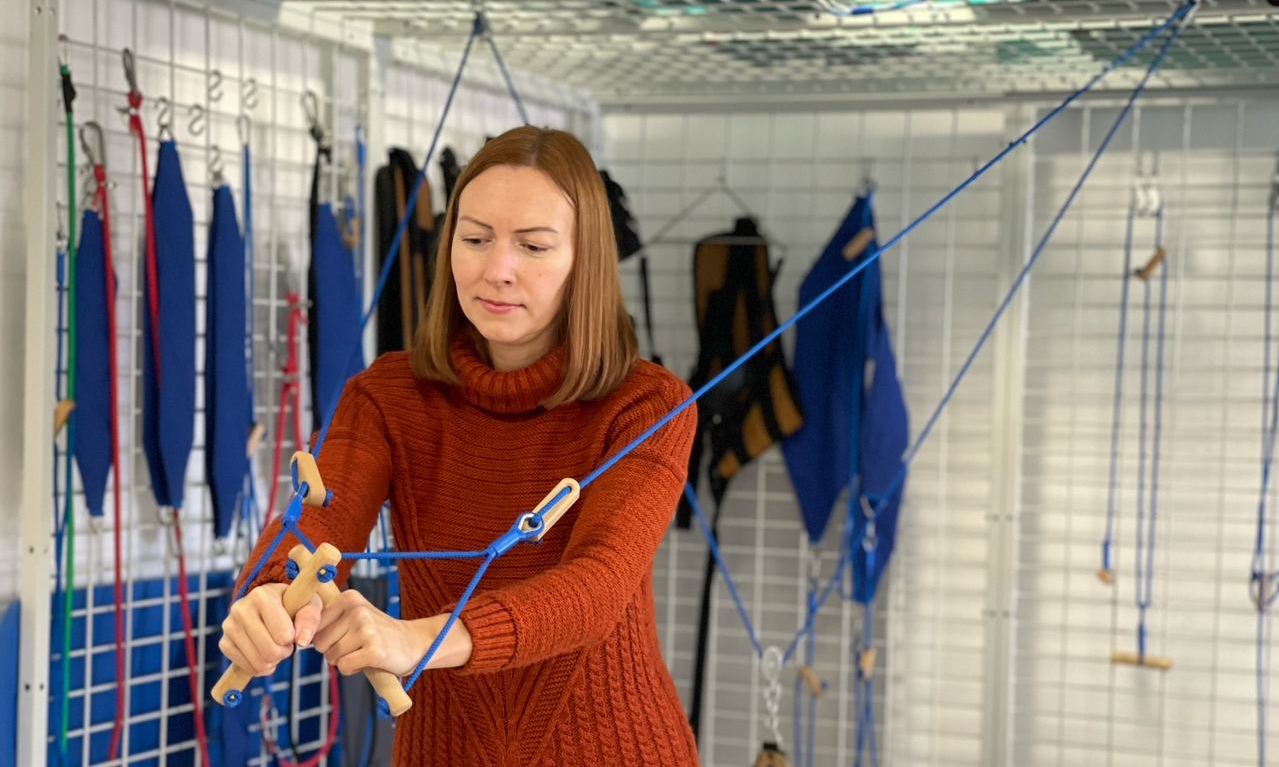
Physical therapy is a type of treatment that helps children and adults with cerebral palsy learn, restore, or train their motor functions, such as sitting, standing, walking, climbing stairs, etc.
Physical therapy includes a variety of physical exercises that help:
- increase the range of motion in joints, making movements smoother and wider;
- increase muscle strength so that the child or adult can execute movements more effectively;
- improve balance so that a person can stand and walk steadily;
- improve proprioception, which is the sense of one’s body in space;
- improve coordination of movements, enabling a person to perform various movements more smoothly and accurately;
- increase physical exercise tolerance to be able to perform more activities without fatigue.
Occupational Therapy (Hand Therapy)
Hand therapy consists of exercises aimed at restoring or acquiring physical functions of the hands. It can be beneficial for children and adults who have hand issues resulting from, for example, injury, surgery, disease, or congenital abnormalities.
Hand therapy can help:
- improve hand movement coordination and fine motor skills;
- develop and strengthen hand muscles;
- teach self-care skills, such as dressing and undressing, tying shoelaces, fastening hooks, buttons, zippers, etc.
Hand therapy sessions are conducted by our therapist utilizing elements of Su-Jok therapy. They include the following elements:
- passive and active hand gymnastics;
- exercises for hand movement coordination;
- fine motor skills exercises;
- self-care skills development exercises.
In sessions with children, we use a variety of engaging equipment: busyboards, educational toys, multi-colored scarves, musical instruments, sensory balls, etc. This ensures the child does not get bored and responds better to therapy.
Adults, meanwhile, perform special exercises that help them restore hand functions. For example, they can:
- perform exercises with balls to improve hand movement coordination;
- perform exercises with resistance bands to strengthen hand muscles;
- perform stretching exercises to improve hand flexibility, among others.
At the IOANNIV CENTER, alongside other technical rehabilitation devices, we have a unique apparatus – a pneumatic robotic trainer for hand function rehabilitation. The robot’s action is aimed at restoring hand movements whose function has been partially or completely lost.
It consists of a compressor control unit with a touchscreen and passive gloves that perform training movements in the weak limb. In addition, the robot offers the ability to transfer finger movements from the stronger hand to the fingers of the weak hand, training its function.
The pneumatic robotic trainer is used for rehabilitation in issues such as:
- rheumatic diseases, joint dystrophy, chronic inflammation;
- rehabilitation after strokes, traumatic brain injuries, and surgeries;
- rehabilitation in cerebral palsy (CP);
- neuropathies, including carpal tunnel syndrome;
- joint stiffness and pain;
- rehabilitation in hemiplegia;
- cold hands problem;
- circulatory problems.
The specialist working with the pneumatic robot individually selects the machine’s power for each patient, taking into account their functional capabilities. Gradually increasing or decreasing the machine’s pressure helps elevate the patient’s independent performance. The pneumatic robot features the following programmed training modes: passive assisted movement at the beginning, movement with reverse resistance, mirror training, and gesture-based training. The gloves are available in four sizes: S, M, L, and XL.
Sensory Integration Therapy
Sensory integration therapy is a therapy aimed at improving nervous system performance, restoring, and harmonizing the process of perceiving and processing sensations received from sensory analyzers: vision, hearing, taste, and smell.
The sensory room is a specially organized space equipped to stimulate processing systems: tactile, auditory, visual, olfactory, vestibular, and proprioceptive (the sense of one’s body in space). In sensory therapy sessions, children learn to maintain balance, develop coordination, dexterity, and improve their body awareness. The child learns to relax, overcome fears, and becomes less hyperactive and anxious.
Exercises on a variety of equipment foster the child’s multifaceted development:
- activities on the suspended “Log”, “Platform”, and three-point support swings promote the development of the vestibular system and agility;
- exercises on balance beams, balancing tracks, and chairs help develop coordination and balance;
- the “Squeezer” hugging machine impacts bodily sensitivity, training muscles and joints;
- the body hammock assists in developing the proprioceptive system and reflexes, and normalizes body tone;
- the skateboard trains vestibular sensitivity, develops motor planning, etc.
Using play-based methodologies, our specialists create an atmosphere of trust and self-confidence for children. New sensations, skills, and capabilities stimulate the development of higher mental functions and improve the child’s emotional state.
Speech and Language Therapy
Speech and language therapy is a comprehensive discipline aimed at developing speech comprehension, initiating and improving active speech, communication, cognitive functions, reasoning, and preparation for learning.
Sessions take the form of one-on-one work by a speech and language therapist and a correctional educator who, as part of the multidisciplinary team, shape a personalized pathway for a child’s development or an adult patient’s speech recovery. The specialist addresses not only pronunciation but also the formation of speech prerequisites, attention, memory, comprehension of addressed speech, phrase structure, and the development of communicative initiative and verbal reasoning.
Sessions are aimed at:
- speech initiation;
- developing passive and active vocabulary;
- forming phrase speech;
- improving sound pronunciation;
- developing auditory perception;
- developing articulatory motor skills;
- correcting speech rate and fluency;
- developing alternative and augmentative communication;
- preparation for reading and writing;
- developing thinking, attention, and memory;
- forming educational activity skills.
The work of a correctional educator is especially important for children with:
- delayed psycho-speech development;
- ASD (Autism Spectrum Disorder);
- learning difficulties;
- sensory features;
- difficulties with focus and concentration;
- school adaptation challenges.
Through play, visual, sensorimotor, and communicative techniques, the child learns to:
- better understand addressed speech;
- express their needs;
- interact with adults and peers;
- form cause-and-effect relationships;
- sustain attention;
- prepare for kindergarten and school.
In adult patients, this area of therapy is used for:
- restoring speech after a stroke;
- working with aphasia;
- restoring communication after a TBI;
- cognitive recovery;
- utilizing Neurochat and alternative communication methods.
Our specialists create a safe, supportive, and motivating space where new speech skills are gradually integrated into everyday life, household routines, education, and social interaction.
Psychological Support
Psychological support is a range of measures aimed at restoring mental health, emotional balance, adaptive skills, and the patient’s internal resource, which may be compromised due to an illness, injury, developmental delay, complex diagnosis, or prolonged stress.
At the IOANNIV CENTER, the psychologist operates as part of the multidisciplinary team, helping the child, adult patient, and family adapt better to changes in health, education, daily life, and social environment.The psychologist’s work is aimed at:
- restoring mental health;
- reducing anxiety;
- overcoming fears;
- developing adaptive skills;
- increasing stress resilience;
- building motivation for rehabilitation;
- improving family communication;
- developing emotional self-regulation;
- supporting parents in interacting with their child;
- preventing emotional burnout within the family.
Psychological support is especially important for:
- children with developmental delays;
- children with ASD (Autism Spectrum Disorder);
- children with behavioral difficulties;
- families navigating a newly established diagnosis;
- adults recovering from strokes, TBIs, and trauma;
- veterans recovering from injuries;
- patients on a long-term rehabilitation pathway;
- parents who need support and skills for daily interaction with their child.
In work with children, the following are utilized:
- play-based techniques;
- art therapy tools;
- exercises for emotional intelligence development;
- addressing fears;
- behavioral strategies;
- family counseling;
- support for school and social adaptation.
In work with adults and veterans, the psychologist helps to:
- adapt following a trauma or injury;
- restore self-confidence;
- overcome the fear of returning to an active life;
- reduce chronic stress levels;
- restore social and family roles;
- cultivate internal resources for further recovery.
Our specialists create a safe environment of trust and support, where the patient gradually rebuilds emotional stability, internal grounding, and readiness for new stages of development and rehabilitation.
Neuropsychological Correction
Neuropsychological correction is a comprehensive discipline aimed at restoring and developing higher mental functions, cognitive skills, behavioral self-regulation, learning abilities, communication, and adaptation to daily life.
At the IOANNIV CENTER, the neuropsychologist operates as part of the multidisciplinary team, helping children and adults improve attention, memory, reasoning, self-control, spatial perception, communication, and action-planning skills.
The specialist’s work is focused on:
- developing attention and focus;
- improving memory;
- developing logical and abstract thinking;
- forming cause-and-effect relationships;
- developing spatial perception;
- improving interhemispheric interaction;
- developing planning and action sequencing skills;
- correcting impulsivity and self-control difficulties;
- preparing for learning;
- improving school adaptation;
- restoring cognitive functions following a stroke, TBI, or concussion.
Neuropsychological correction is especially important for:
- children with delayed psycho-speech development;
- children with ASD;
- children with focus and concentration difficulties;
- children with hyperactivity;
- children facing learning challenges;
- children with reading, writing, and arithmetic difficulties;
- adults post-stroke;
- patients post-TBI;
- veterans following concussions and blast injuries.
The following tools and methods are used in our work:
- neuropsychological exercises;
- cognitive training sessions;
- sensorimotor exercises;
- interhemispheric exercises;
- play-based techniques;
- memory, attention, and thinking exercises;
- motor planning exercises;
- spatial orientation tasks;
- elements of correctional and pedagogical support;
- VR therapy to train attention, spatial perception, cognitive endurance, and training motivation;
- Neurochat to develop communication, alternative contact, activate attention, and support patients with severe speech or motor limitations.
By combining classical neuropsychological methodologies with VR therapy and Neurochat technology, the patient receives a more advanced, interactive, and motivating recovery format that promotes the formation of new neural connections and faster integration of skills into daily life.
Through consistent individual sessions, the patient gradually improves:
- the capacity to sustain attention;
- information processing speed;
- learning quality;
- verbal reasoning;
- behavioral control;
- organization of daily activities;
- household independence;
- readiness to return to kindergarten, school, work, or an active social life.
Home Programs for Course Continuation
Home programs for course continuation are individually tailored sets of recommendations, exercises, and daily activities designed to consolidate rehabilitation outcomes, sustain progress between sessions, and accelerate recovery in the patient’s familiar environment.
At the IOANNIV CENTER, a home program is a vital element of the recovery pathway, developed by the multidisciplinary team in accordance with the patient’s age, functional state, course goals, and family capabilities.
The program may include:
- exercises for gross motor skills development;
- exercises for fine motor skills;
- home assignments for speech and language therapy;
- sensory activities;
- balance and coordination exercises;
- exercises for hand function;
- cognitive and neuropsychological tasks;
- exercises following a stroke, TBI, or orthopedic surgery;
- daily living and self-care skills;
- recommendations for psychological support at home;
- exercises for prosthesis adaptation;
- motor activity and rest scheduling.
Our specialists train parents or the patients themselves on:
- how to perform exercises correctly;
- how to dose the workload;
- how to safely integrate exercises into daily life;
- how to track progress;
- how to notice signs of overfatigue;
- how to maintain motivation for training.
Thanks to the home program, rehabilitation continues not only within the center’s walls but also in daily life: at home, during walks, at school, in the kitchen, during play, and through routine daily activities. This is precisely what allows for a faster transfer of new skills into real life, consolidating results and increasing the patient’s level of independence.
Special Formats
One-time Specialist Consultation
A one-time specialist consultation is a convenient format for an initial visit to the IOANNIV CENTER, allowing patients to quickly receive a professional assessment of their condition, recommendations, and a clear understanding of the subsequent care pathway without the immediate need to commit to a full rehabilitation course.
This format is suitable for:
- an initial introduction to the center;
- obtaining a second expert opinion;
- clarifying a diagnostic or rehabilitation pathway;
- determining the need for a subsequent course;
- assessing dynamics after previously completed treatment;
- adjusting a home program;
- consultation prior to starting a state-funded program;
- patients from other cities;
- parents seeking answers to a specific request.
A one-time consultation can be conducted by: a physical and rehabilitation medicine physician, a pediatrician, a pediatric neurologist, an endocrinologist, a psychologist, a speech and language therapist, a neuropsychologist, a physical therapist, an occupational therapist, or a correctional educator.
During the consultation, the specialist:
- reviews the medical history;
- analyzes examination results;
- conducts a specialized examination;
- identifies current challenges;
- evaluates functional potential;
- formulates primary recommendations;
- determines whether a subsequent course is required;
- refers to other specialists at the center if necessary.
Based on the results, the patient or family receives: a clear understanding of the current status, a prognosis, a preliminary recovery pathway, home recommendations, and an understanding of which service format will be optimal moving forward.
10-Session Course
A 10-session course is a structured format of individual or multidisciplinary work that allows patients to achieve their first measurable results, consolidate new skills, and evaluate recovery dynamics within a short timeframe.
This format is suitable for:
- launching a rehabilitation pathway;
- intensive work focused on a specific function;
- continuation after a state-funded program;
- children with developmental delays;
- speech and language therapy;
- sensory integration;
- psychological support;
- neuropsychological correction;
- post-stroke recovery;
- hand therapy;
- post-operative recovery;
- preparation for prosthetics;
- home-based guidance between major courses.
The course may include:
- 10 sessions with a single specialist;
- 10 sessions in a multidisciplinary format;
- a combination of several disciplines;
- a consultation with a PRM physician;
- functional status assessment;
- a home program;
- follow-up progress monitoring upon course completion.
Upon course completion, the patient or family receives: a reassessment of dynamics, an analysis of achieved results, recommendations for continuation, a home program, and a decision regarding the next course or a transition to a supportive format.
This format is particularly convenient for families who want to see a concrete, short-term stage with a clear control point.
30-Day Rehabilitation Contract
The 30-day rehabilitation contract is an intensive format for comprehensive recovery, within which the patient receives a personalized multidisciplinary rehabilitation pathway with clear goals, a defined workload, regular monitoring, and a focus on measurable results over the span of one month.
This format is suitable for:
- children with developmental delays;
- infants and toddlers under 3 years old;
- patients post-stroke;
- adults post-trauma and surgery;
- recovery following a TBI;
- preparation for prosthetics;
- adaptation to a prosthesis;
- veterans following injuries;
- intensive speech recovery;
- neuropsychological correction;
- comprehensive social adaptation.
What is included in the contract. Within the 30-day pathway, the patient receives:
- an initial consultation with a physical and rehabilitation medicine physician;
- functional status assessment;
- formation of an individual pathway;
- an intensive session schedule;
- physical therapy;
- occupational therapy;
- speech and language therapy;
- sensory integration;
- psychological support;
- neuropsychological correction;
- VR therapy;
- Neurochat;
- a home program for daily continuation;
- follow-up progress monitoring;
- a final outcome assessment after 30 days.
Over the course of 30 days, the IOANNIV CENTER team works with the patient on an individual daily or multi-times-a-week schedule, depending on the goals, functional status, endurance, age, medical indications, and rehabilitation potential.
Each week, the team:
- evaluates dynamics;
- adjusts workload intensity;
- updates goals;
- adapts the home program;
- monitors exercise tolerance.
Upon contract completion, the patient or family receives: an objective assessment of progress, measurable dynamics, new functional skills, a home support pathway, recommendations for the next 30–60 days, and a decision on continuation, transitioning to a supportive format, or concluding the course.
Family Pathway with Parent Training
The Family Pathway with Parent Training is a comprehensive support format in which the IOANNIV CENTER team works not only with the child but also with the family, teaching parents daily practical tools to support development, communication, behavior, and independence in everyday life.
This format is particularly effective for:
- infants and toddlers under 3 years old;
- children with developmental delays;
- children with ASD (Autism Spectrum Disorder);
- children with sensory processing features;
- children with speech and language difficulties;
- children with behavioral challenges;
- children facing difficulties adapting to kindergarten or school;
- families who wish to continue rehabilitation every day at home.
Our specialists help parents understand:
- how to play with the child properly to foster development;
- how to stimulate speech within daily routines;
- how to respond to challenging behavior;
- how to help the child reach motor milestones;
- how to reduce sensory overload;
- how to develop independence;
- how to integrate exercises into everyday activities;
- how to maintain results between professional sessions.
Within this pathway, the family receives:
- an initial consultation with a PRM physician or a specialized professional;
- functional and behavioral status assessment;
- one-on-one sessions with the child;
- psychological consultations for parents;
- work with a speech and language therapist;
- sensory and neuropsychological exercises;
- training for parents in home techniques;
- ready-to-use interaction algorithms for everyday life;
- a home program;
- follow-up progress monitoring.
Home Program Guidance and Support
Home Program Guidance and Support is a format designed to support the patient or family after completing the main course, within which IOANNIV CENTER specialists help ensure correct execution of home exercises, track dynamics, adjust workloads, and adapt the program based on progress.
This format ensures that achieved outcomes are maintained between visits, development continues in a familiar environment, and the consistency of recovery remains uninterrupted.
Within this format, the patient or family receives:
- a finalized home program;
- explanations of execution techniques;
- safety supervision for exercises;
- recommendations on workload dosage;
- program adjustments depending on progress;
- adaptation of exercises to daily routines;
- answers to questions from parents or the patient;
- psychological support regarding motivation;
- monitoring of core goals achievement;
- a transition plan to the next stage of recovery.
IOANNIV CENTER specialists help to:
- track which exercises yield the best results;
- timely adjust difficulty levels;
- introduce new daily living skills;
- adapt the program to school, work, or home routines;
- prevent overfatigue;
- maintain consistency;
- record new milestones.
If necessary, guidance can be combined with: follow-up progress monitoring, one-time consultations, a 10-session course, a family pathway, or a repeat intensive course after 30 days.
We do not leave the patient alone with a list of recommendations; instead, we help transform home exercises into tangible daily results.