
November 17 is the International Day of Premature Babies. Another name for this day is more poetic: White Petals Day. It emphasizes the fragility and vulnerability of babies rushed to be born prematurely.
In 1974 WHO proposed to consider as potentially viable the babies born with body weight more than 500 gr with gestational age not less than 22 weeks. Modern technology makes it possible to nurse premature infants at 23 weeks of gestation. But today, even in the world’s leading perinatal centers, only about 50% of such babies survive. For them, their parents and doctors, defeating death at the very beginning is a very serious and meaningful, but only the first step.
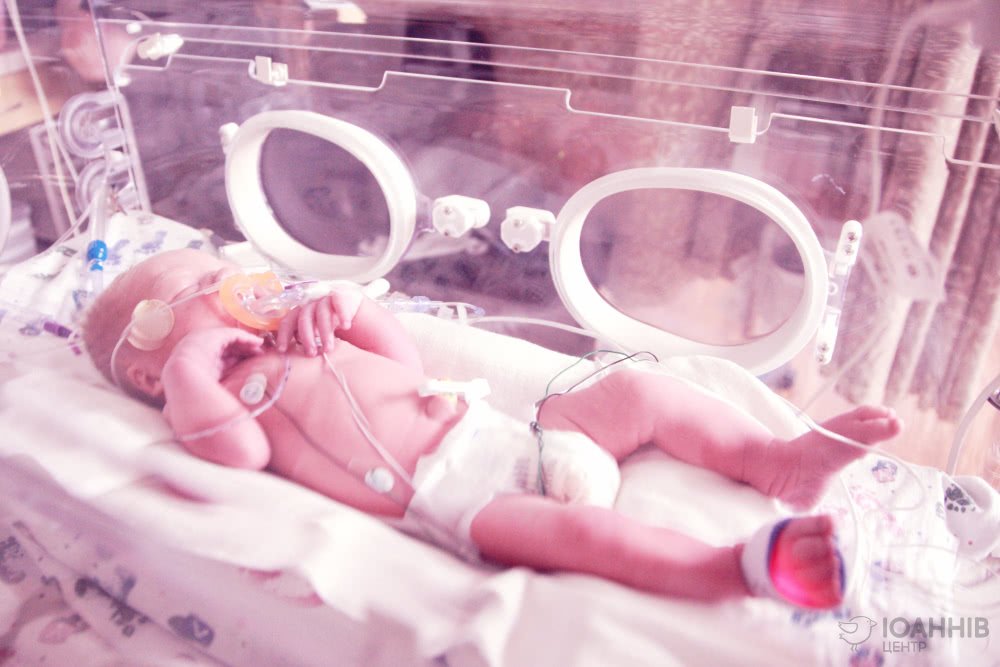
The main problems and signs of prematurity
The main problems of prematurity are a lag in physical and neuro-psychological development from peers, as well as the immaturity of all organs and systems. A large percentage of profoundly premature children have changes in neurological and physical development.
Many of the premature babies suffer from bronchopulmonary dysplasia, retinopathy or have severe brain lesions in the form of intraventricular hemorrhages or periventricular leukomalacia. The above is of great importance in the neuropsychiatric development of the premature infant.
The most common sign of profound prematurity is respiratory distress syndrome. Respiratory distress syndrome is an acute condition caused by immaturity of the lungs and surfactant. Surfactant is a kind of “lubricant” on the surface of the alveoli that prevents them from sticking together and provides antibacterial protection and mucus evacuation.
The second most common sign of prematurity is retinopathy. This is a pathology of the immature, insufficiently vascularized retina, consisting in the abnormal growth of the capillaries, which could lead to retinal detachment and blindness.
Rehabilitation of premature infants
Breathing premature babies is a team effort and a very big job. Everyone takes part in it: obstetricians-gynecologists, neonatologists, intensive care specialists, pediatricians, administrative staff of perinatal centers, providing everything needed. Of course, this includes parents and charitable organizations, because nursing and rehabilitating these children is very expensive.
Currently, modern methods of rehabilitation of premature babies are being actively introduced: physical therapy, occupational therapy, art therapy, massage, music therapy, etc. Early intervention specialists play a special role in the rehabilitation of premature babies.
Our center for the correction of the neuro-psychological and physical development of premature babies provides:
- physical therapy, individually tailored to the specific child;
- massages for premature babies, for normalization of muscle tone, which is an important aspect in the correction of the physical development of both premature and healthy babies;
- Sensory therapy and art therapy for the child’s neuropsychological development;
- Ergotherapy and inclusion, for the development of self-care skills;
- sessions with a psychologist and speech-language pathologist to socialize and improve/learn communication skills;
- psychologist’s sessions with the parents of these children.

It is especially gratifying when grown children, thanks to rehabilitation activities, play with their peers, show interest in the world, and learn. Many prematurely born children show a special creative perception of the world, they draw and sing. Leonardo da Vinci, Isaac Newton, Antonio Vivaldi, Napoleon Bonaparte, Alexander Suvorov, Victor Hugo, Winston Churchill, Albert Einstein – all these people were born premature.
We believe that modern methods of nursing and rehabilitation will reduce the risk of complications and help children to grow up healthy, developed and able to realize their talents.
I would like to note that among our patients there are many children born prematurely. And so that we have the opportunity to continue to provide them with quality medical and rehabilitative care, to become stronger, more independent and more enduring, you can support the work of our Center at this link: https://old.ioanivcenter.com/pidtrimati.html.
Tatiana Lapteeva, Pediatrician at St. John’s Center, prepared this article.