
Mobile palliative care is a set of measures aimed at improving the quality of life of a patient with life-limiting diseases or with life-threatening diseases, in accordance with the criteria for determining a patient in need of palliative care, by preventing and alleviating physical, psychological, spiritual suffering and assistance to members of his family, other persons who take care of him.
That is, these are medical, psychological and household services that help make life easier for people with a difficult diagnosis.
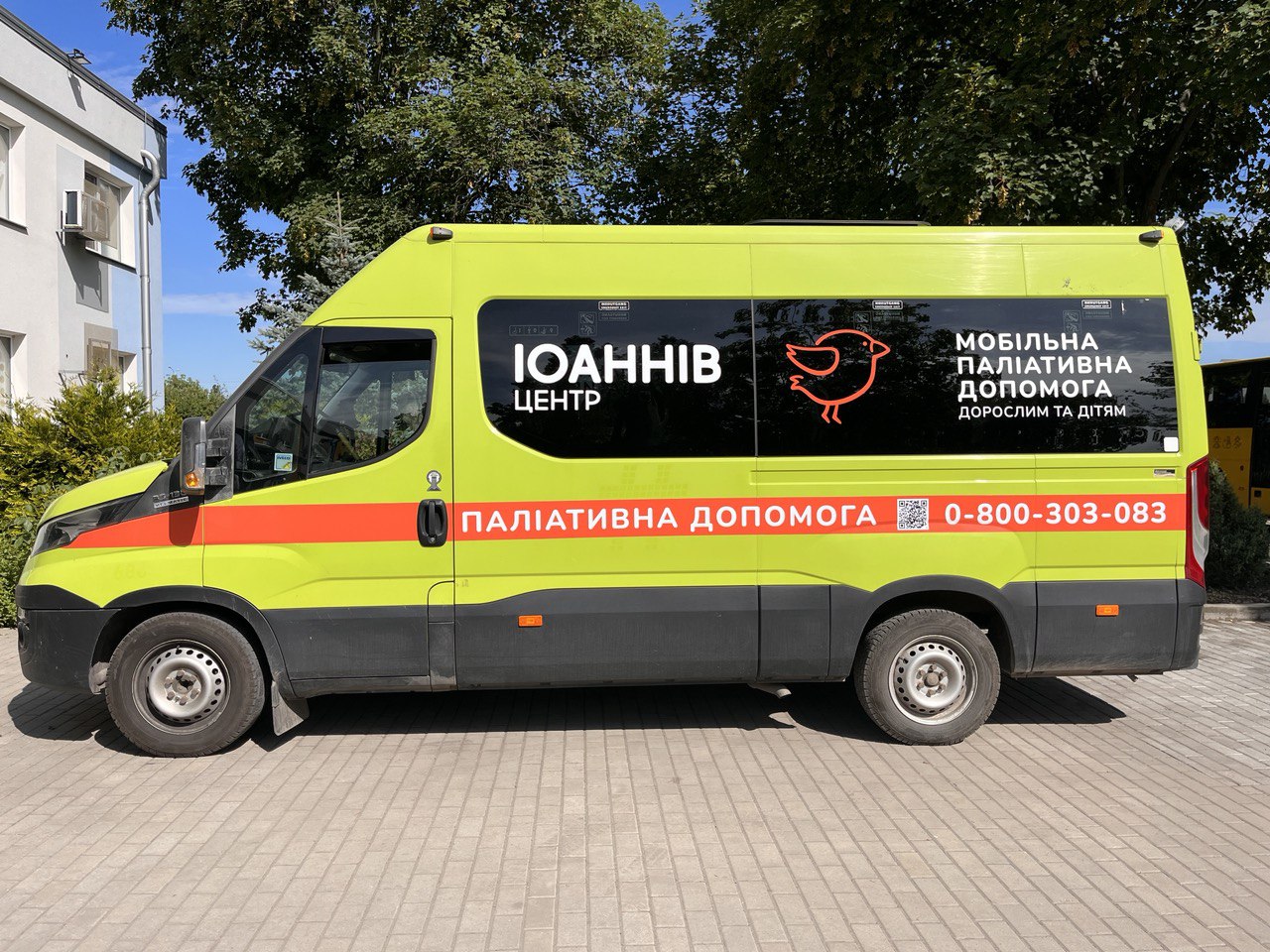
A patient requiring palliative care is a patient of any age with a life-limiting or life-threatening illness. A mobile palliative care team consisting of doctors, nurses, and psychologists trained in this field of work has been created at the St. John Center. If necessary, a priest and a social worker join the team of specialists. The mobile palliative team contacts the patient at least once a week.It can be both a direct visit and remote communication using telecommunications.
Mobile palliative care teams provide almost all of the same services in the patient’s home, except for those that require a direct hospital presence.
In order to receive the service of mobile palliative care free of charge, you must:
- referral of a primary care physician (PHC) selected according to the declaration on the choice of a physician;
- referral of the attending physician;
- transfer from another facility/clinical unit of the facility under the supervision of palliative care specialists.
The scope of medical services provided by the mobile palliative care team:
- Medical assistance to adults and children at their place of stay, including with the creation of a hospital at home if necessary, and/or with the use of telecommunication facilities 24 hours a day.
- Drawing up an observation plan, following it, making frequent changes according to the patient’s condition.
- Assessment of the somatic condition and detection of violations of the functions of vital organs and systems (if available), followed by revision of the monitoring plan if necessary.
- Assessment of psycho-emotional state and provision of psychological assistance, use of psychotherapeutic consultations.
- Assessment, prevention, treatment and control of chronic pain syndrome (including prescribing and issuing prescriptions for narcotic drugs, psychotropic substances and precursors, non-narcotic analgesics and providing analgesia).
- Assessment and correction of nutritional status.
- Carrying out the necessary laboratory tests.
- Carrying out necessary instrumental examinations, in particular electrocardiography (ECG).
- Provision, control of symptomatic therapy and care.
- Determining indications for oxygen support and ensuring its implementation using an oxygen concentrator at the patient’s location.
- Assessment and determination of patients’ needs in assistive devices for mobility (possibility of patient movement and toileting).
- Provision of medicinal products in accordance with the National list of essential medicinal products, including narcotic drugs (by prescribing f-3), medical products and consumables.
- Compilation and implementation of the patient’s physical and psychological adaptation plan.
- Referral of patients for secondary (specialized), tertiary (highly specialized) medical care as needed.
- Provision of timely emergency medical assistance in the event of life-threatening conditions during the visit, as well as calling an emergency (ambulance) medical assistance team and providing emergency medical assistance to patients before its arrival.
- Training of patients’ family members (legal representatives and caregivers) in the skills of caring for the seriously ill.


[elementor-template id=”9414″]