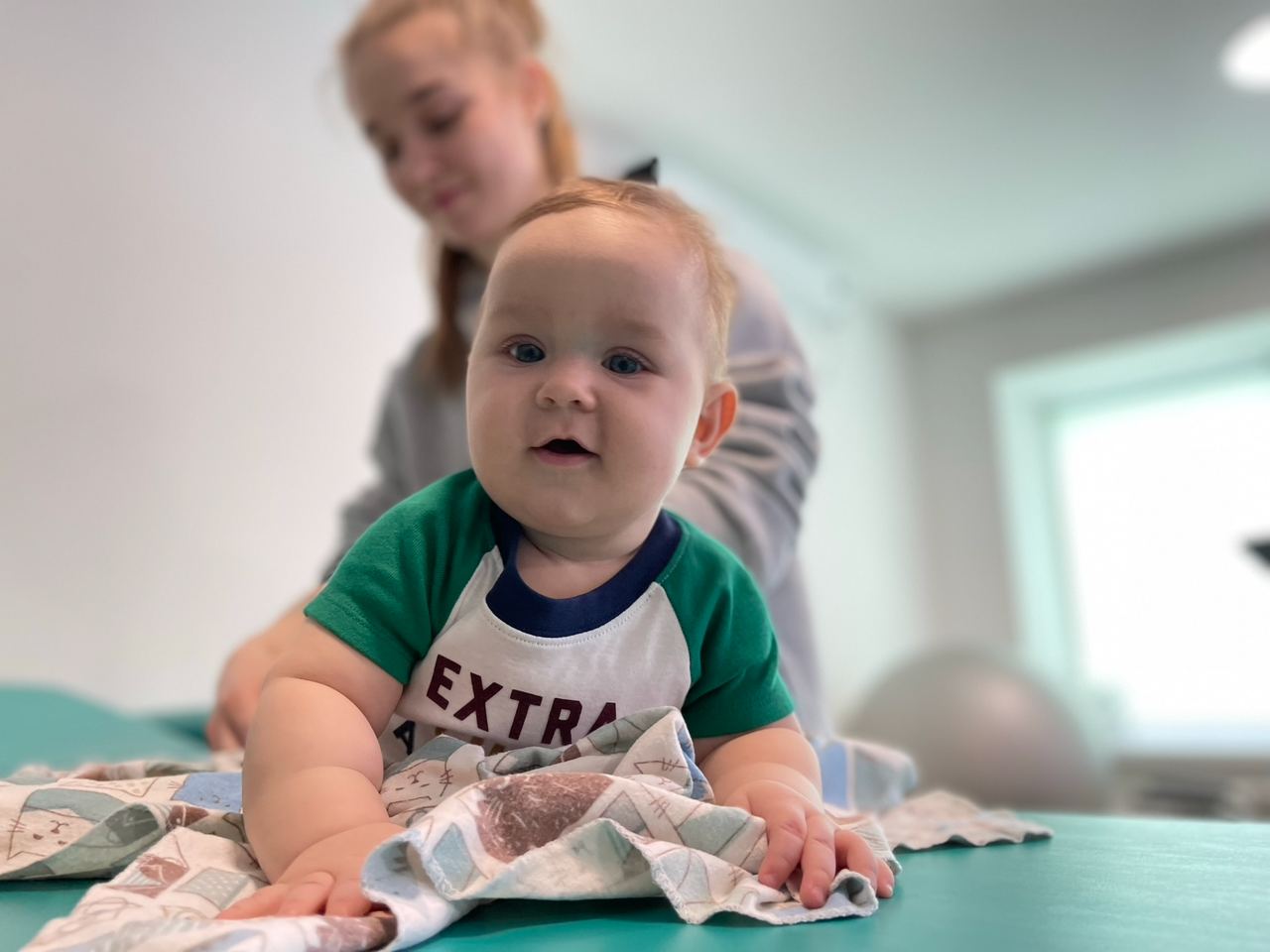
Early intervention is a comprehensive support system aimed at helping young children with developmental disabilities and children who are in biological and social risk groups. The main goal of early intervention is to improve the child’s development and improve the quality of life of the whole family.
Such services are provided mainly to children in the first years of life, since early identification of biological and social risk factors associated with a child’s developmental disorder allows intensive care to be started at an early age. During this period, the child’s development is particularly sensitive to the influence, which creates an opportunity to prevent limitations in the functioning of the family and the physical and psychosocial development of the child.
The reasons for the risk can be various, including the established medical diagnosis, unfavorable perinatal factors (prematurity, low birth weight, asphyxia, artificial ventilation, etc.) and negative external conditions of the child’s development.
Some of the potential clients may not need long-term support and disability and may exit the program quickly. However, others may receive rehabilitative services early in their development.
For families raising children from birth to three years, there are several situations in which this can become relevant. If the child is diagnosed with developmental delays, regardless of severity:
- cerebral palsy
- Down’s syndrome
- autism spectrum disorders
- epilepsy and other spectrum disorders
The result of the early intervention service is to help ensure optimal conditions for further development, reduce restrictions and increase the child’s opportunities. In addition, early intervention promotes psychosocial development, adaptation and interaction with the environment.
[elementor-template id=”9414″]