Cerebral palsy (CP) is a group of stable disorders of motor development and posture maintenance, leading to motor defects caused by non-progressive damage to the brain in a fetus or newborn child. Cerebral palsy is the most common structural form of neurological diseases in the world. These literatures show that 3-5.9% of 1,000 newborns in the accused countries are children with cerebral palsy.
Movement disorders have an adverse effect on the formation of mental, speech and hearing functions. In recent decades, the problem of treatment of cerebral palsy has acquired greater relevance and social significance due to the prevalence of this disease, which leads to severe disability. Cerebral palsy develops, according to various data, in 2-3.6 cases per 1,000 live newborns and is the main cause of childhood neurological disability in the world.
Clinical manifestations include increased or decreased muscle tone, uncontrolled involuntary movements, impaired balance, coordination, and positioning, as well as the development of abnormal reflexes. Cerebral palsy can affect the whole body or be limited to one limb or side of the body. Spastic lesions are the most common and account for up to 80% of all forms of cerebral palsy. They are characterized by an increase in muscle tone, which is a defining symptom of this type. Muscles are tense, tight (spastic), and movements are clumsy or impossible. Patients with the hyperkinetic form have trouble performing fast movements and movements that require precise control, such as drawing with a pencil. This form accounts for 5-10% of cases of cerebral palsy.
Creating all the necessary conditions for physical, medical, psychological and social rehabilitation for children with cerebral palsy is an important issue. Optimum assistance to the patient involves a multidisciplinary approach of a team that includes medical, pedagogical and social specialists.
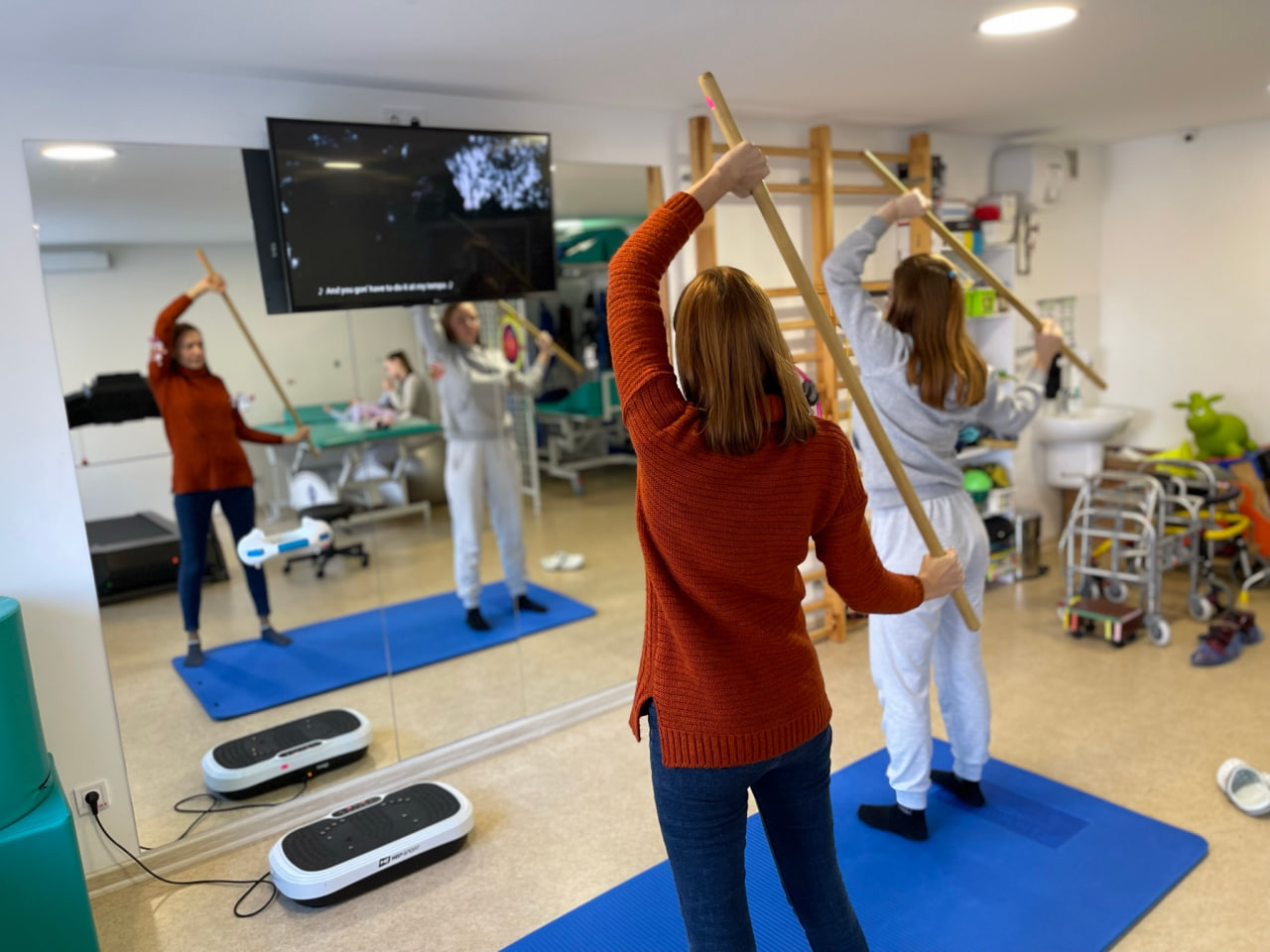
Specialists of the St. John’s Center, located in the city of Pidgorodnoe, from April 2022 to November 2023. conducted a study in which 98 medical records of children were analyzed. The average age was 8.3 years. The children were tested according to the Gross Motor Function Classification System (GMFCS) classification and divided into five levels depending on functional capabilities. 23% of children had level I; II – 15%; III – 19%; IV – 11%; V – 32%. Individual physical therapy programs were developed for each child in accordance with a defined goal, focused on solving a key problem. The formation of an individual rehabilitation program for the child included: an initial examination by a pediatrician, a physical therapist, an occupational therapist, a sensory therapist, a speech and language therapist, a psychologist, and an art therapy specialist; setting short-term and long-term goals; intervention program of each specialist.
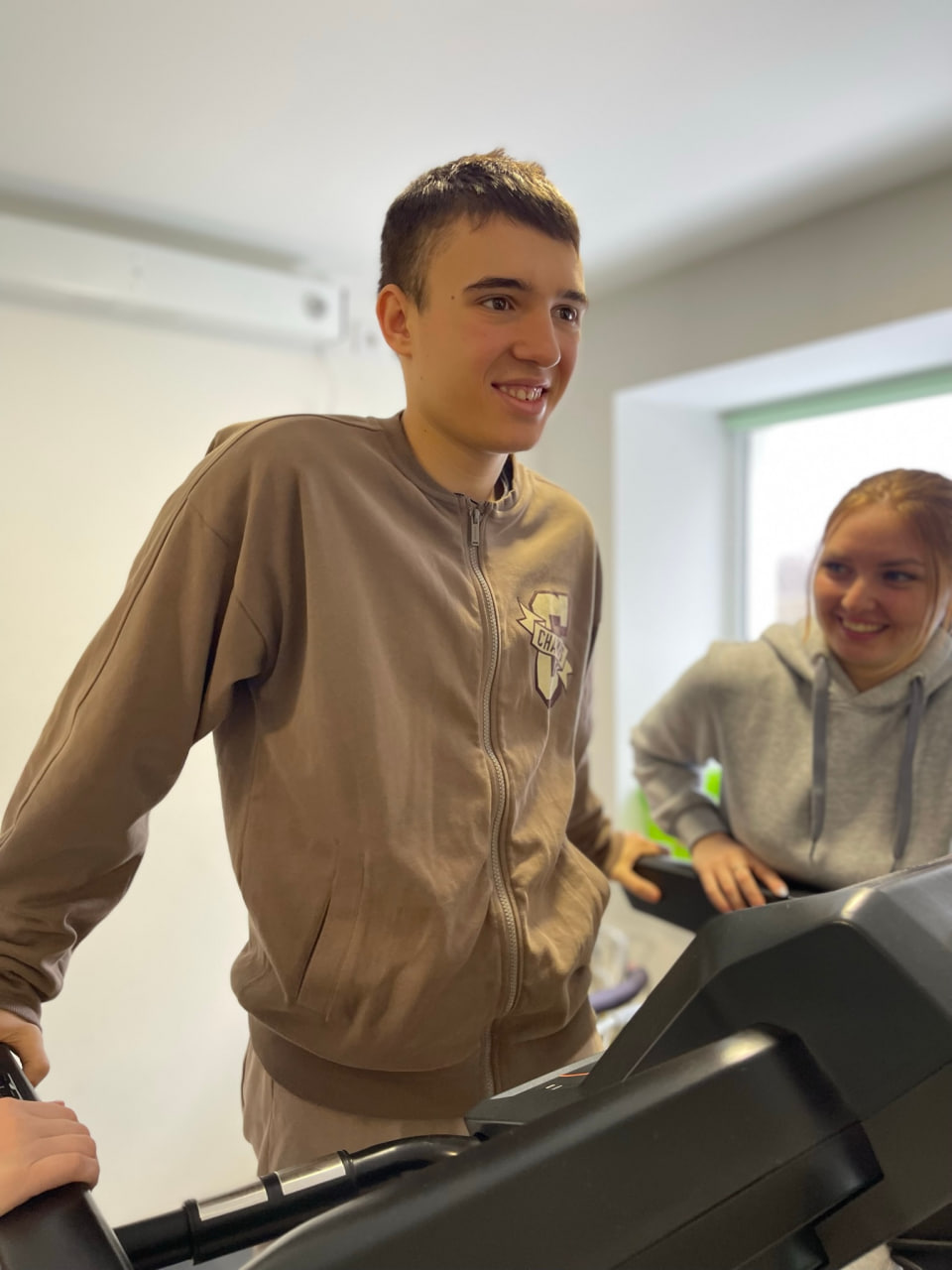
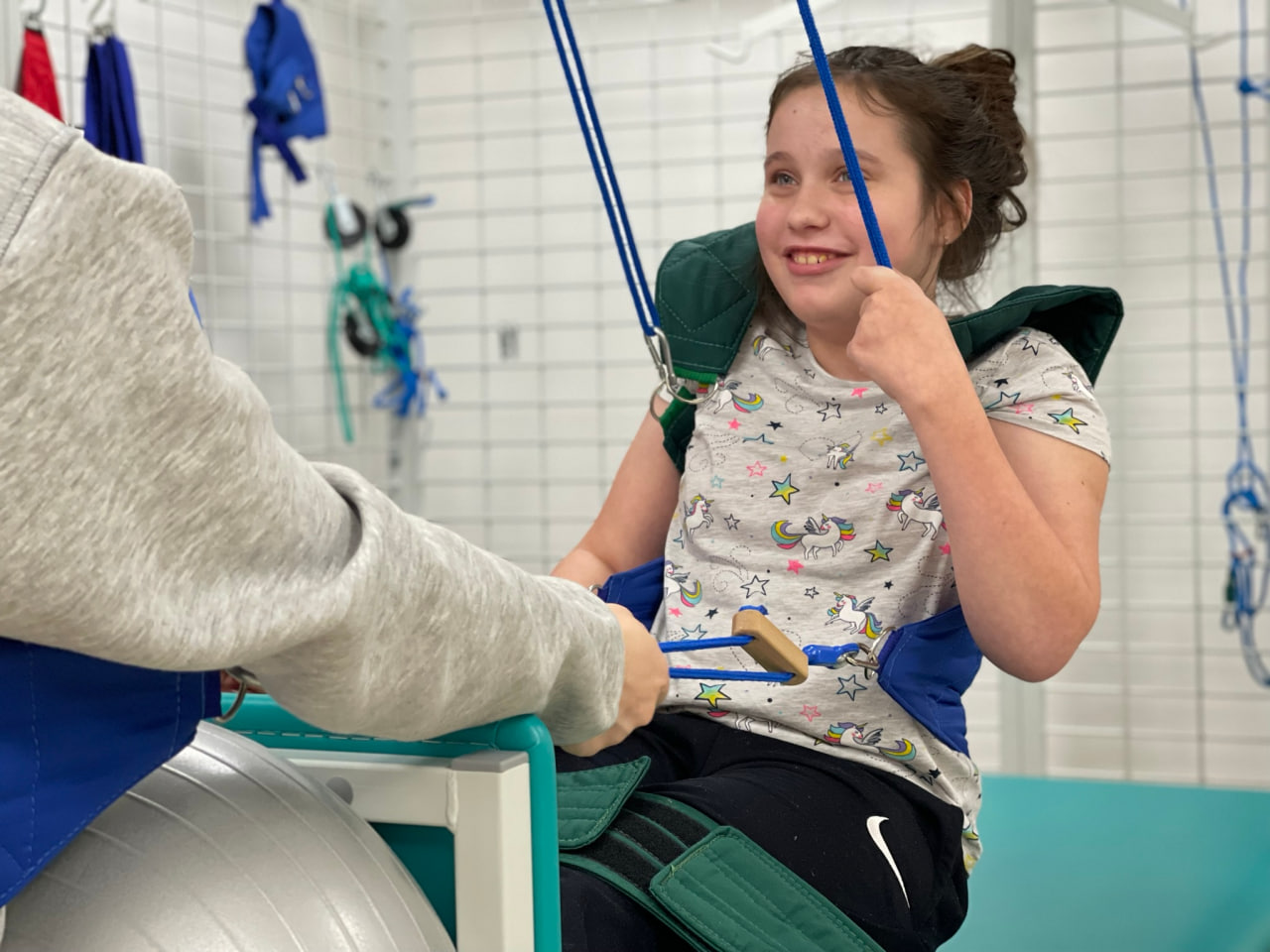
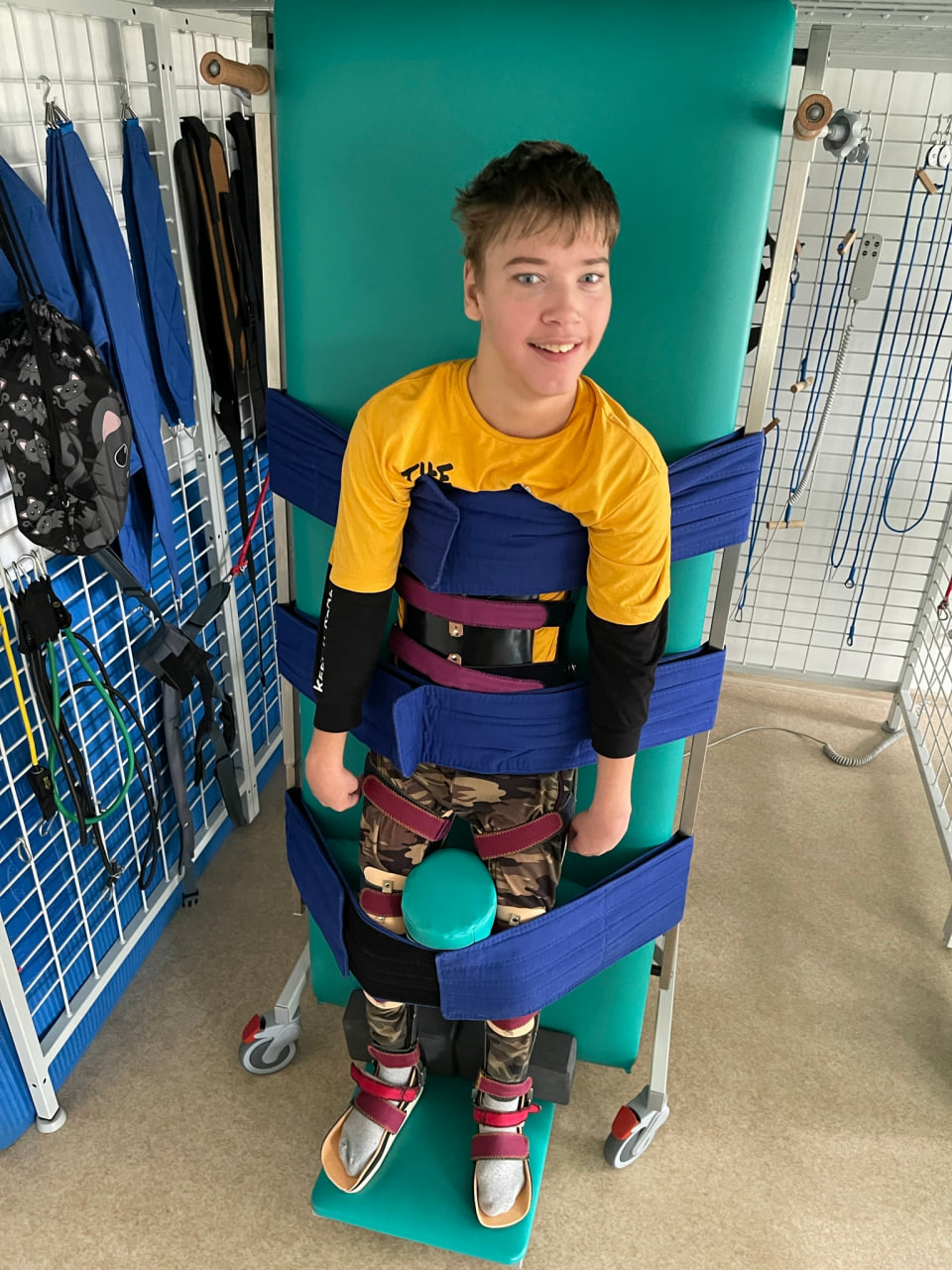
The physical therapy intervention program for children with GMFCS level I and II consisted of performing active dynamic exercises: walking on a treadmill with a variable angle of inclination, stepping over obstacles at the level of the knee joint, stepping on a bench, side lunges; gymnastic exercises to strengthen the muscular corset of the body; exercises for training coordination of movements and balance. Children of the III level learned to use auxiliary means of movement; performed exercises to strengthen the muscles of the back and lower limbs; received passive stretching to prevent joint contractures and reduce muscle tone. In patients with level IV, the main goals of FT were rollovers and independent sitting. Active-passive exercises for the neck, trunk and limbs were applied to the physical therapy program for children of the V level in order to control the position of the head. Ergotherapeutic intervention included: massage of the upper limbs; finger gymnastics; forming the skill of opening a lock with a key; fastening and unfastening buttons and “zippers” on clothes; tying the knot; drawing depending on the goals for the rehabilitation course, which were formed jointly by the occupational therapist and the child’s parents. In the room of sensory integration, stimulation of the vestibular, tactile, visual, proprioceptive, and olfactory systems was carried out; development of visual-motor coordination, gross and fine motor skills, development of visual perception, stabilization of the sense of balance, intersection of the middle line of the body. Children who had a delay or impaired language development visited a speech and language therapist.
After the rehabilitation course at the Center, it was established that the children’s functional condition improved and a positive dynamic was observed in the form of the formation or improvement of motor skills: the control of head movements improved in children of the V level; IV observed improvement in turning from back to stomach and from stomach to back, sitting with support; Level III children improved their pelvic control and developed walking skills with technical means of rehabilitation (rollers, walkers); II and I levels improved coordination of movements and balance. Also, with the spastic form of CP, muscle spasticity decreased and the amplitude of movements in the joints of the limbs increased, with the hyperkinetic form of CP, coordination improved